
In Panorama City, CA, the local soil composition, primarily consisting of expansive clay, presents unique challenges for concrete structures. Seasonal moisture swings can lead to hydrostatic pressure, causing sub-surface deflection that is often overlooked during superficial visual inspections. Understanding the structural load distribution is crucial, as it influences how concrete reacts to these environmental factors.
Many homeowners may not realize that visual checks alone can miss critical signs of structural issues. Sub-surface deflection often manifests in ways that are not immediately visible, necessitating a deeper understanding of the material science behind concrete and its interaction with the surrounding soil.
Structural Failure Mechanics & Symptom Classification
Structural failure in concrete can arise from various mechanical factors, including differential settling and the formation of shear cracks. Shear cracks differ significantly from hairline shrinkage cracks, which are typically cosmetic. Understanding tensile stress limits is essential, as exceeding these limits can lead to catastrophic failures. According to ASTM C39, compressive testing is vital for determining the strength of concrete, while ASTM C1583 assesses tensile bond strength, providing a comprehensive view of structural integrity.
When evaluating symptoms of potential structural issues, it is crucial to classify the type of cracks observed. Shear cracks may indicate significant underlying problems, while hairline cracks could suggest minor shrinkage. Regular inspections and adherence to ASTM standards can help identify these issues early, preventing costly repairs.
Regional Environmental & Material Degradation Factors
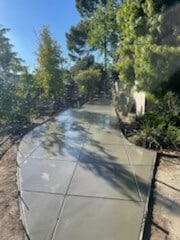
The climate in Panorama City contributes to the degradation of concrete structures through thermal expansion cycles. Fluctuations in temperature can cause concrete to expand and contract, leading to stress and potential cracking. Additionally, inadequate sub-base compaction can exacerbate these issues, resulting in uneven load distribution and increased vulnerability to environmental factors.
Rebar corrosion is another significant concern, particularly with varying rebar sizes like #4 versus #5 Grade 60 steel. The presence of moisture can accelerate corrosion, weakening the structural integrity of concrete. Furthermore, alkali-silica reaction (ASR) and chemical leaching can compromise concrete durability, necessitating careful material selection and design considerations.
Certified Diagnostic & Inspection Protocol
To accurately diagnose potential structural issues, employing non-destructive testing (NDT) methods is essential. Techniques such as ground-penetrating radar (GPR) and ultrasonic pulse velocity (UPV) provide valuable insights into the internal condition of concrete without causing damage. concrete contractor services in Panorama City These methods allow for a thorough evaluation of concrete integrity, identifying hidden problems that may not be visible on the surface.
Digital optical laser profiling is another advanced diagnostic tool that can detect minute changes in surface elevation, indicating potential structural issues. Regular inspections using these technologies can help maintain the longevity of concrete structures and ensure compliance with local building codes.
Engineering Mitigation & Long-Term Preventative Protocols
Implementing engineering mitigation strategies is crucial for maintaining concrete integrity. Utilizing joint sealants can prevent moisture infiltration, while effective moisture diversion techniques can redirect water away from vulnerable areas. Subgrade stabilization is also essential to ensure a solid foundation that can withstand environmental pressures.
Establishing a certified inspection frequency is vital for early detection of potential issues. Regular assessments can help identify minor problems before they escalate into significant structural failures, ensuring the longevity and safety of concrete structures in Panorama City.
Listen to Technical Briefing:
Distributed via RSS: Audio Feed
Frequently Asked Questions
What are common signs of concrete issues?
Common signs include visible cracks, uneven surfaces, and water pooling. These symptoms may indicate underlying structural problems requiring further inspection.
How does soil affect concrete stability?
Soil composition, especially expansive clay, can cause shifting and settling, leading to cracks and structural instability in concrete.
What is non-destructive testing?
Non-destructive testing (NDT) includes methods like ground-penetrating radar and ultrasonic testing to evaluate concrete integrity without causing damage.
How often should concrete be inspected?
Concrete should be inspected regularly, ideally annually, to catch early signs of deterioration and ensure structural safety.